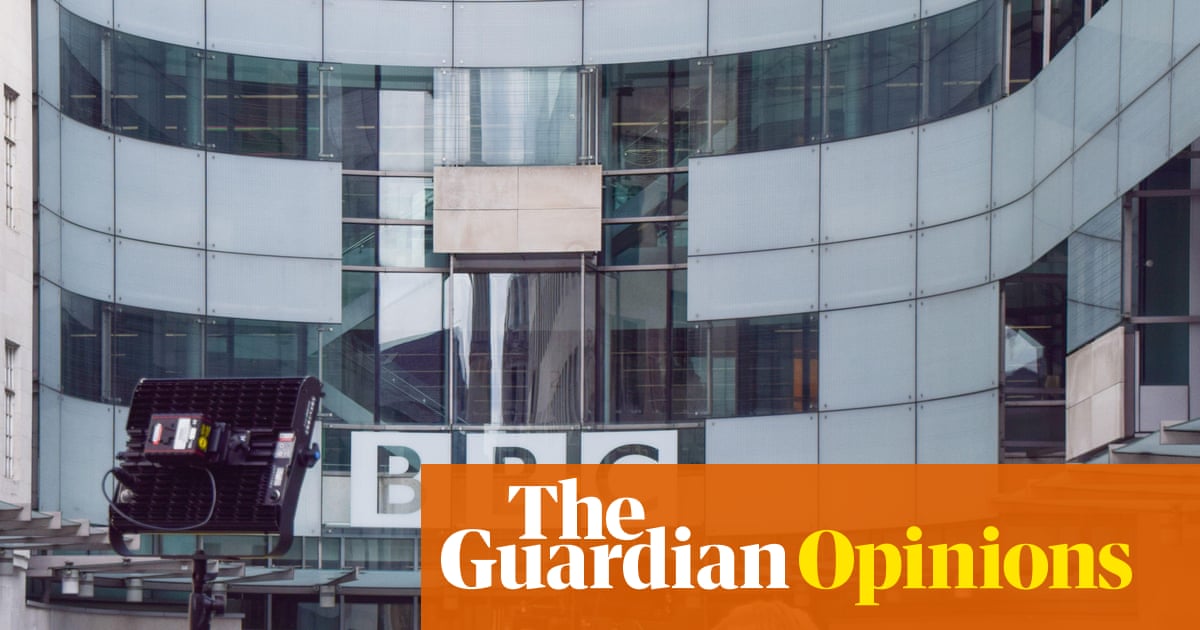
In a World of Lies: Why BBC Charter Renewal is Vital for Trust and Truth
In an increasingly fractured and digitally saturated information landscape, the concept of objective truth often feels like a quaint relic. From the proliferation of fake news and deepfakes to the weaponization of propaganda and the blurring lines between fact and opinion, discerning reliable information has become a monumental challenge for citizens worldwide. It is within this chaotic environment that the enduring value of institutions dedicated to impartial, high-quality journalism becomes starkly apparent. Among these, the British Broadcasting Corporation (BBC) stands as a beacon, often described as "the light on the hill" – a testament to its global reach and unwavering commitment to factual reporting. As its current Royal Charter approaches its expiry on 31 December 2027, the ongoing
Bbc Public Consultation on its renewal is not merely a bureaucratic exercise; it is a critical juncture for safeguarding a vital pillar of democratic society and trusted information.
The BBC's Enduring Role in a Disinformation Age
The need for a trusted news source has never been more visibly urgent. Recent global events, such as the escalating crises in the Middle East, serve as a stark reminder of the BBC’s indispensable role. While digital platforms are awash with contradictory narratives and speculative reports, seasoned BBC correspondents like Jeremy Bowen, Sarah Smith, Lyse Doucet, Orla Guerin, and Clive Myrie consistently deliver comprehensive, on-the-ground updates. Their reporting cuts through the noise, offering audiences in the UK and across the globe a reliable window into complex geopolitical realities that few other outlets can match.
Indeed, the very timing of this charter renewal discussion, coinciding with periods of intense global instability, highlights the fragility of information integrity. In a world where "flexible fictitious facts" can easily distort public understanding and undermine rational discourse, the BBC's commitment to rigorous journalistic standards provides a crucial counterbalance. The BBC World Service, in particular, transcends national borders, offering millions access to independent news and analysis in dozens of languages – a truly unique public service that promotes understanding and counters misinformation on a global scale. This role is not just about reporting facts; it's about fostering informed citizenship and supporting democratic values against a tide of disinformation.
Understanding the BBC Charter Renewal Process: Your Voice Shapes Its Future
The renewal of the BBC Royal Charter is a comprehensive and multi-faceted process orchestrated by the UK government's Department for Culture, Media and Sport (DCMS). This isn't just about extending an existing agreement; it's about "future-proofing" the BBC, ensuring it remains relevant, effective, and capable of serving the public interest in an ever-evolving media landscape. The current Charter is set to expire on 31 December 2027, with the new Charter taking effect from 1 January 2028.
The process typically involves several stages, including the issuance of a Green Paper – a government document outlining proposed changes and inviting public discussion. This crucial document forms the basis for the current
Bbc Public Consultation. Historically, public engagement has been robust; past consultations, like the BBC Trust's first effort, garnered over 40,000 responses, followed by another 11,000 during a second phase focusing on the BBC management's vision, 'British, Bold, Creative'. These responses, alongside input from Audience Councils and industry stakeholders, are vital in shaping the final framework.
The current consultation, open for 12 weeks from 16 December 2025 to 10 March 2026, explicitly seeks input from a broad spectrum of individuals and organisations – from the general public and creative industries professionals to researchers and industry bodies. The evidence and views submitted will directly inform the government’s decisions on the Charter and its accompanying Framework Agreement. It's a fundamental opportunity for every individual who values public service broadcasting to contribute to its future direction and ensure it continues to meet the evolving needs and expectations of the nation. For a deeper dive into how your input can shape this critical future, consider exploring
BBC Charter Renewal 2028: Your Voice Shapes Its Future.
Your Voice Matters: Participating in the Bbc Public Consultation
Engaging with the
Bbc Public Consultation is a tangible way to assert the value of public broadcasting. The DCMS has published a comprehensive, albeit sometimes lengthy and complex, questionnaire designed to gather public opinion on a wide range of issues and potential changes. While some might find the format daunting, it's crucial to persevere. Each response contributes to a collective voice that cannot be ignored.
Here’s how you can make your contribution impactful:
- Locate the Online Form: The DCMS provides an online form for submissions. Search for "BBC Charter Renewal public consultation DCMS" to find the official government page.
- Allocate Time: The questionnaire covers many facets of the BBC's operations, funding, and future. Set aside dedicated time to read through the questions carefully and formulate thoughtful responses.
- Focus on Key Areas: Consider what aspects of the BBC you value most (e.g., news impartiality, cultural programming, children's content, local radio, World Service). Also, think about areas where you believe improvements could be made.
- Provide Specific Examples: Instead of general statements, illustrate your points with specific examples of BBC content or services that have positively impacted you or that you feel are essential.
- Address the "Future-Proofing" Aspect: Think about how the BBC can adapt to technological changes, reach younger audiences, and maintain its relevance in a globalised, digital age.
Past consultations have demonstrated the power of public opinion. ICM polls commissioned by the Trust in 2016 further underscored the public's engagement. Your participation, however small, adds to this vital democratic process, ensuring that decisions are not made in a vacuum but are genuinely informed by the people the BBC serves. For more insights into the challenges and opportunities ahead, you might find valuable information in
BBC Charter Review 2028: Public Views & Future Challenges.
Navigating Political Headwinds and Safeguarding the BBC's Future
The timing of this charter renewal, coinciding with a rare period of Labour government, offers a potentially more stable environment for the BBC. Historically, the institution has faced considerable political pressure, particularly from elements within the Conservative and Reform parties, along with sections of the media that advocate for radical dismantling or even abolition. This "right's peculiar patriotism," as some describe it, paradoxically seeks to undermine British achievements that are sources of national pride, such as public broadcasting and the NHS.
Attacks often target any perceived misstep, no matter how minor, in the BBC’s vast output. Examples like the faux indignation stirred up by certain board members over an editing error in a Panorama segment, leading to the resignation of Director-General Tim Davie and even a baseless $5bn lawsuit from Donald Trump, highlight the constant scrutiny and political weaponization the BBC endures. These incidents, often amplified by partisan media, serve to terrorise the institution and weaken its independence.
It is precisely against this backdrop of political maneuvering and ideological challenges that the
Bbc Public Consultation takes on even greater significance. A strong public mandate, articulated through robust participation in the consultation, can act as a shield against political interference and ensure the BBC’s continued ability to operate independently and in the public interest. It provides a democratic defence against those who seek to diminish or destroy one of the world's most respected public service broadcasters.
Conclusion: A Call to Action for a Vital Institution
In an era defined by information overload and the erosion of trust, the BBC stands as a bulwark against the tide of misinformation. Its commitment to factual reporting, comprehensive coverage, and global reach makes it an invaluable asset, not just for the UK but for the world. The ongoing
Bbc Public Consultation on its Charter renewal is a pivotal moment, offering every citizen a direct opportunity to shape the future of this vital institution. It's a chance to ensure that the BBC remains a "light on the hill," a source of truth and reliable information, for generations to come. Your participation is not just a suggestion; it is an essential act of civic engagement that directly contributes to safeguarding the integrity of our information ecosystem and upholding the values of robust public service broadcasting. Do not let this opportunity pass; make your voice heard before the consultation closes.